


Aging Oven
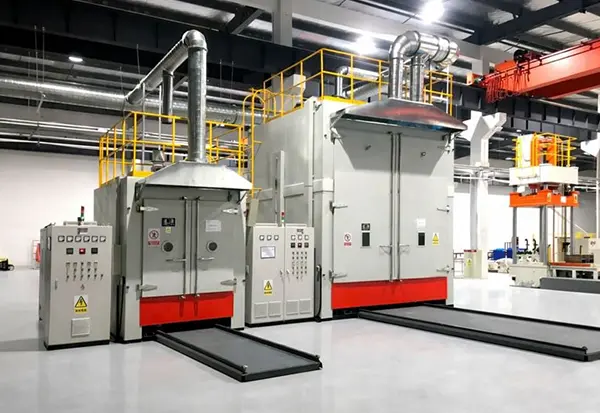
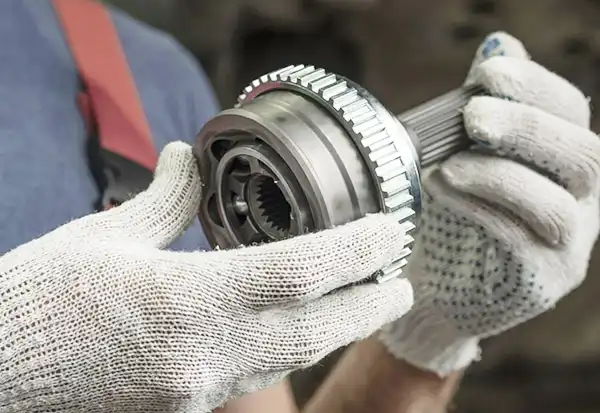
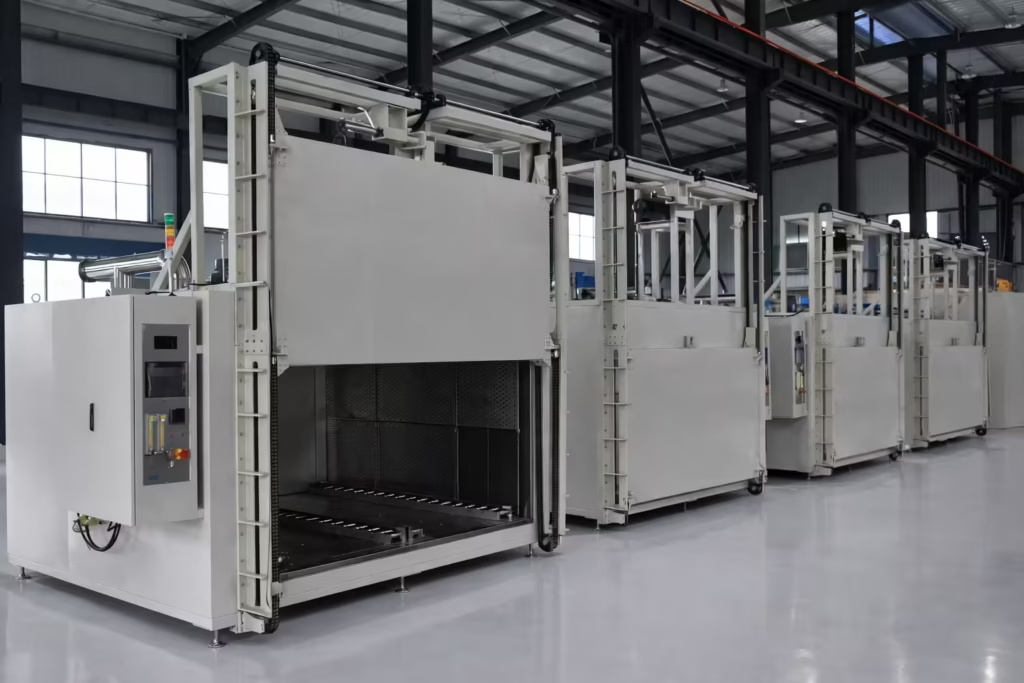
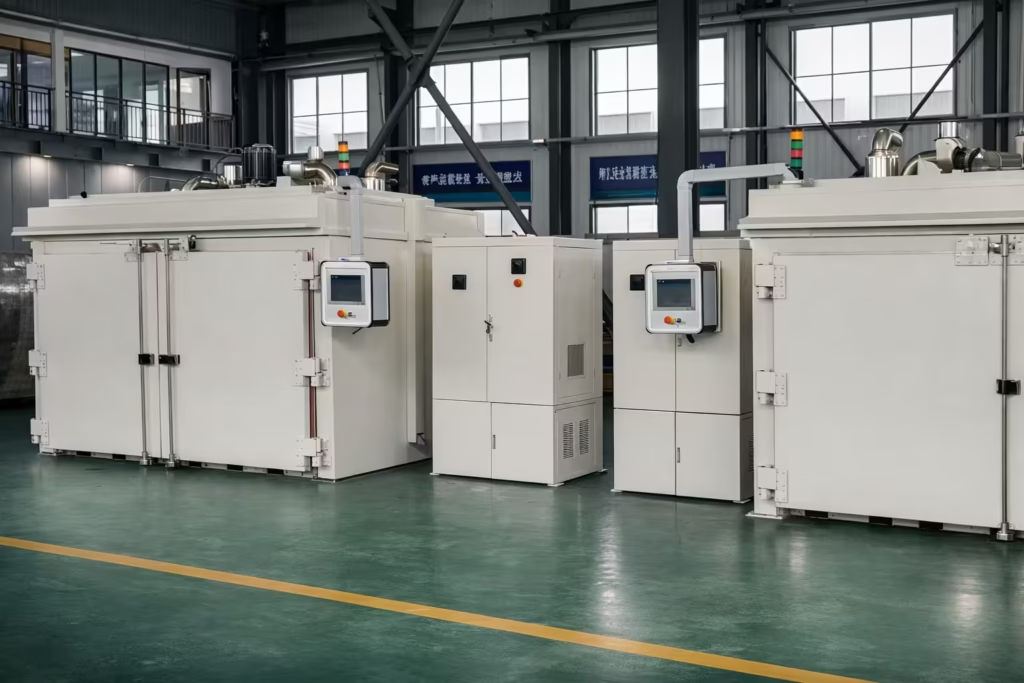
ZonHoo aging ovens are engineered for controlled time–temperature aging cycles used to stabilize or develop final material properties—especially aluminum aging and other precipitation hardening processes where cycle repeatability directly impacts hardness, strength, and dimensional stability. When your target results depend on holding a defined setpoint and soak time window (not general heating), an aging oven delivers aging-intent-first control with repeatable batch outcomes across shifts.
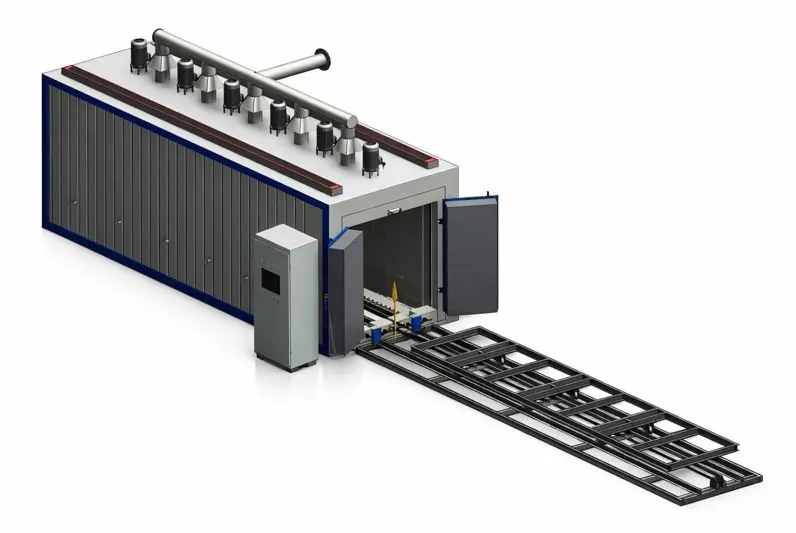
As an OEM/ODM manufacturer, ZonHoo designs chamber size, airflow coverage, sensor strategy, and controls around your alloy, load format, and takt time. We provide an RFQ-ready scope—cycle concept (ramp/soak/cool), workspace, utilities, and documentation scope—with FAT/SAT support and acceptance checks to streamline approval and integration.
- Time–temperature aging cycle control (ramp/soak/cool)
- Soak time repeatability for stable properties
- Aluminum aging support (process-defined)
- Airflow coverage for consistent exposure
- Sensor strategy & verification planning (opt.)
- Recipes, alarms & data logs (opt.)
- RFQ-ready delivery: drawings, FAT/SAT, acceptance checks
When to Choose an Aging Oven
Choose an aging oven when your outcome is defined by a controlled soak time window and repeatability:
- You need a stable aging soak to reach final properties (process-defined)
- Aluminum aging or precipitation-hardening cycles require repeatable exposure
- Batch-to-batch variation must be minimized with airflow coverage and sensing
- You want standardized cycles across shifts with recipes/locks (opt.)
- You need RFQ-ready clarity on cycle concept, utilities, documentation, and acceptance checks
If your goal is polymer/coating cure completion, use Post-Curing Oven. If your goal is material softening/microstructure reset, use Annealing Oven. If your goal is internal stress relief only, use Stress Relieving Oven.
Engineering, Options & Key Specs
- Soak repeatability: designed around time-at-temperature outcomes
- Airflow coverage: consistent exposure across racks/trays
- Sensor strategy: single/multi-point sensing aligned with load geometry (opt.)
- Cycle discipline (opt.): recipes, locks, permission control
- Deviation handling (opt.): alarms and deviation rules protecting aging windows
- Documentation support: acceptance checks and FAT/SAT approach
- Cycle definition: ramp/soak/cool steps (project-defined)
- Multi-point sensing and mapping support (opt.)
- Recipes, parameter locks, alarms, deviation rules (opt.)
- Data logging, batch reports, export formats (opt.)
- Rack/tray layout planning for consistent exposure (project-defined)
- I/O integration: ready/busy/fault + batch complete outputs (opt.)
- Documentation scope: drawings, acceptance checks, FAT/SAT support (project-defined)
- Process Type: time–temperature aging (process-defined)
- Temperature Setpoint / Range: aging window (process-defined)
- Soak Time Requirement: process-defined
- Usable Workspace (W×H×D): custom
- Airflow / Coverage Strategy: project-defined
- Sensor Strategy: single/multi-point (opt.)
- Controls & Data Logging: optional recipes, alarms, records
- Utilities & Installation: project-defined

Typical Applications
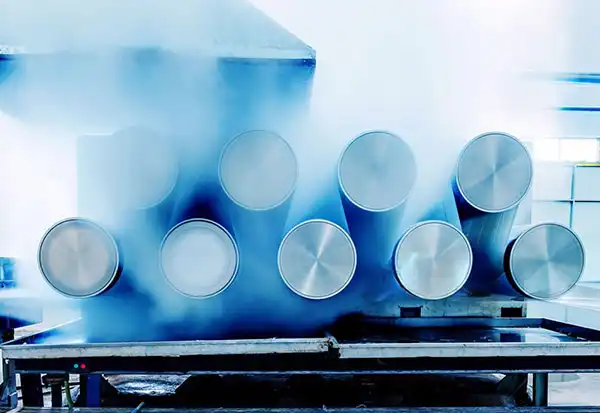
- Aluminum aging for precipitation-hardening cycles (process-defined)
- Property stabilization where soak repeatability drives final quality
- Batch aging on trays/racks requiring consistent exposure
- Aging cycles supporting dimensional stability and reduced variation
- Standardized aging programs across shifts for stable downstream processes
Related Solutions & Guides
- Aging cycle control
- Soak time accuracy
- Aluminum aging (custom)
- Airflow coverage plan
- Sensor mapping (opt.)
- Recipes/logs (opt.)
- Alarms/interlocks (opt.)
- FAT/SAT (opt.)
Let’s talk about how we can support your thermal processing goals. Contact our team to explore the right solution for your needs.