



Industrial Ovens for Powder Coating
Powder coating requires controlled thermal processing after application so the powder can melt, flow, and cure into a durable, uniform finish. For manufacturers, the right oven direction depends on coating chemistry, part size, metal mass, loading density, line rhythm, and finish-quality targets. ZonHoo helps match powder coating processes with batch, conveyor, walk-in, infrared, and large-format oven solutions for stable curing and repeatable production results.
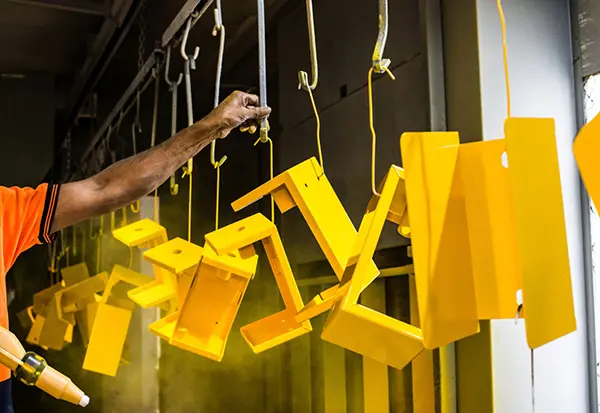
Why This Process Matters
Why Powder Coating Requires Controlled Thermal Processing
Powder coating performance depends on more than reaching a chamber setpoint. The powder must see the correct cure window on the actual part surface and substrate mass, not just in the oven air. When airflow, recovery, or dwell control is weak, manufacturers may face undercure, overbake, gloss variation, orange peel, poor adhesion, or unnecessary rework.
Stable Film Formation and Cure
Controlled heating helps the powder melt, level, and crosslink as intended, supporting consistent coating performance across production batches.
Better Finish Appearance
Uniform airflow and predictable recovery help reduce finish defects such as uneven gloss, texture inconsistency, and edge-to-edge variation.
More Reliable Results Across Part Mass
Light panels and heavy fabricated parts respond differently to heat. A matched oven direction improves repeatability across mixed product loads.
Lower Rework and Higher Throughput
When curing is stable, manufacturers spend less time on touch-up, scrap handling, and line interruptions caused by finish-quality issues.
Typical Applications
Where Powder Coating Is Commonly Used
Powder coating is widely used across metal finishing operations where durability, appearance, and production efficiency matter. Different product types often require different oven directions based on part size, coating window, and line layout.
Automotive Components and Metal Parts
Brackets, wheels, housings, frames, guards, and other metal components that require durable decorative or protective finishes.
Electrical Cabinets and Enclosures
Control cabinets, switchgear housings, and electrical boxes that need repeatable coating quality and clean surface appearance.
Shelving, Furniture, and Storage Systems
Racks, shelves, lockers, office furniture, and retail fixtures produced in batch or semi-continuous finishing lines.
Agricultural and Construction Equipment Parts
Heavy-duty fabricated parts, guards, panels, and machine structures that demand robust curing across thicker metal sections.
Appliance and General Hardware
Consumer-facing metal parts, handles, panels, and structural hardware where finish consistency and appearance are important.
Architectural and General Fabrication
Metal doors, frames, railings, fabricated assemblies, and custom steel or aluminum workpieces with variable dimensions and batch sizes.
Selection Guidance
How to Match the Right Oven Direction to Powder Coating
For powder coating lines, oven selection should follow production reality: part geometry, mass, throughput, loading method, line continuity, and the required cure window. The table below helps connect common process conditions with the most suitable oven direction.
| Process Need | Typical Requirement | Recommended Oven Direction |
|---|---|---|
| Multiple SKUs in flexible batch production | Frequent product changeovers, rack loading, moderate throughput | Batch Curing Oven |
| Continuous line with stable takt time | Integrated spray line, conveyor movement, repeatable dwell | Industrial Conveyor Oven |
| Large cabinets, frames, or fabricated assemblies | Walk-in loading access, large chamber volume, easier handling | Walk-In Oven |
| Oversized or heavy powder-coated structures | High thermal mass, larger loading envelope, strong airflow coverage | Large Powder Coating Oven |
| Faster heating response or hybrid cure support | Surface-focused heating, line-speed support, specific part geometry | Infrared Radiation Curing Oven |
| Standard powder coating across general metal parts | Balanced airflow, proven curing layout, flexible control options | Powder Coating Curing Oven |
EQUIPMENT DIRECTION
Recommended ZonHoo Oven Solutions for Powder Coating
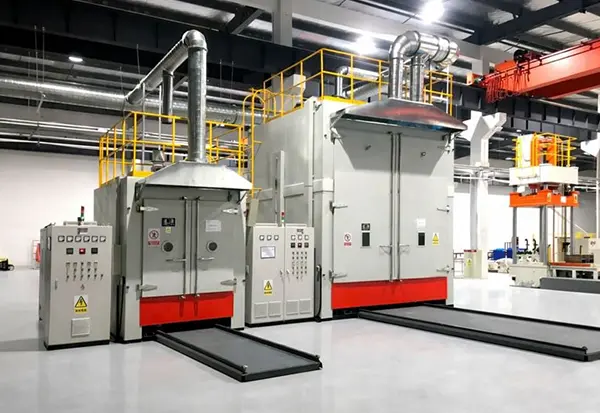
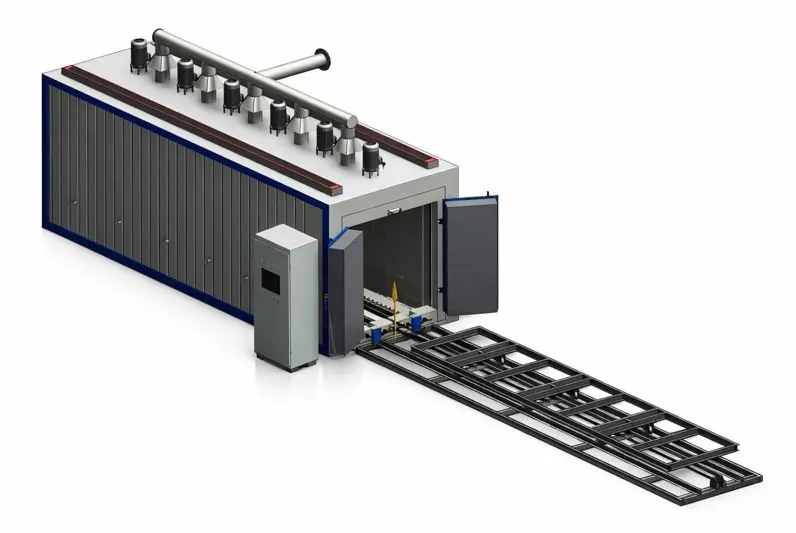
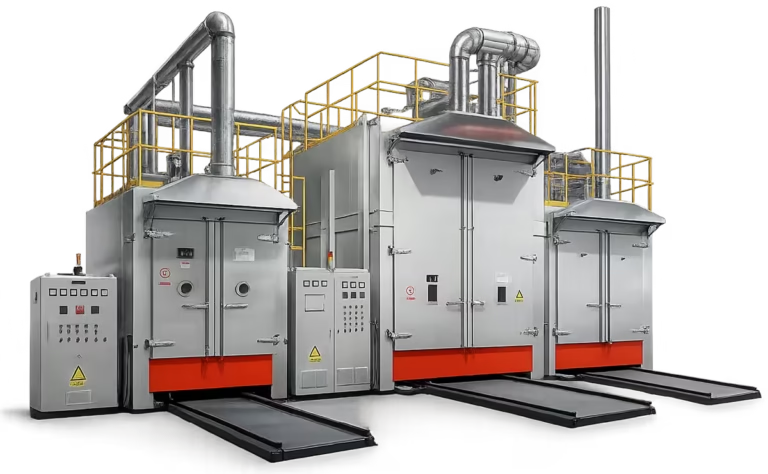
ZonHoo provides several oven directions for powder coating applications. The right choice depends on whether your process is batch or continuous, the size and mass of your parts, and the curing consistency your production line requires.
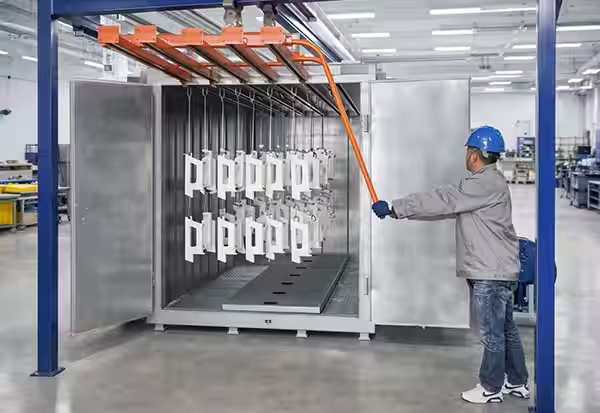
A dedicated solution for powder coating lines that need dependable airflow, temperature control, and repeatable cure performance across general metal finishing applications.
Best for:General powder coating applications, stable batch curing, and repeatable finish quality across metal parts.
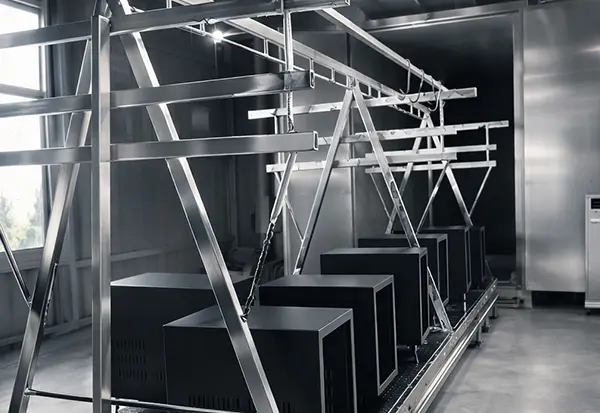
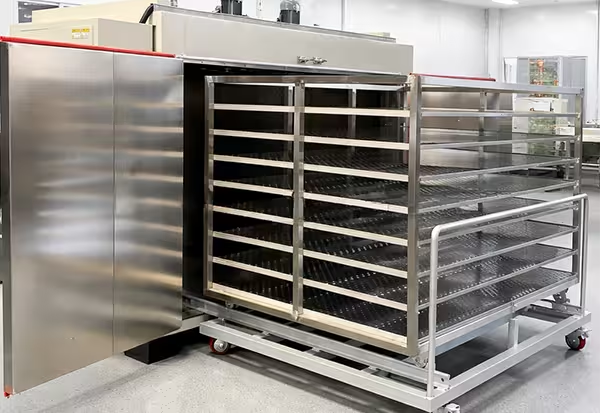
Well suited for job shops, mixed-product manufacturing, and operations that need flexible loading patterns, frequent changeovers, and stable cure cycles.
Best for:Mixed product batches, flexible schedules, rack loading, and frequent changeovers.
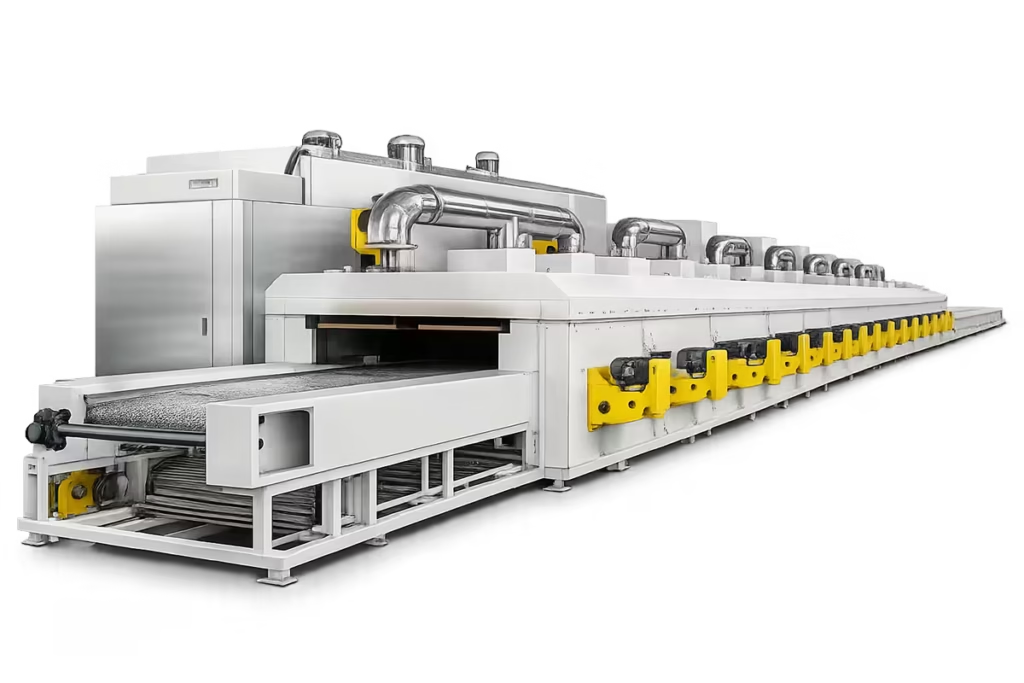
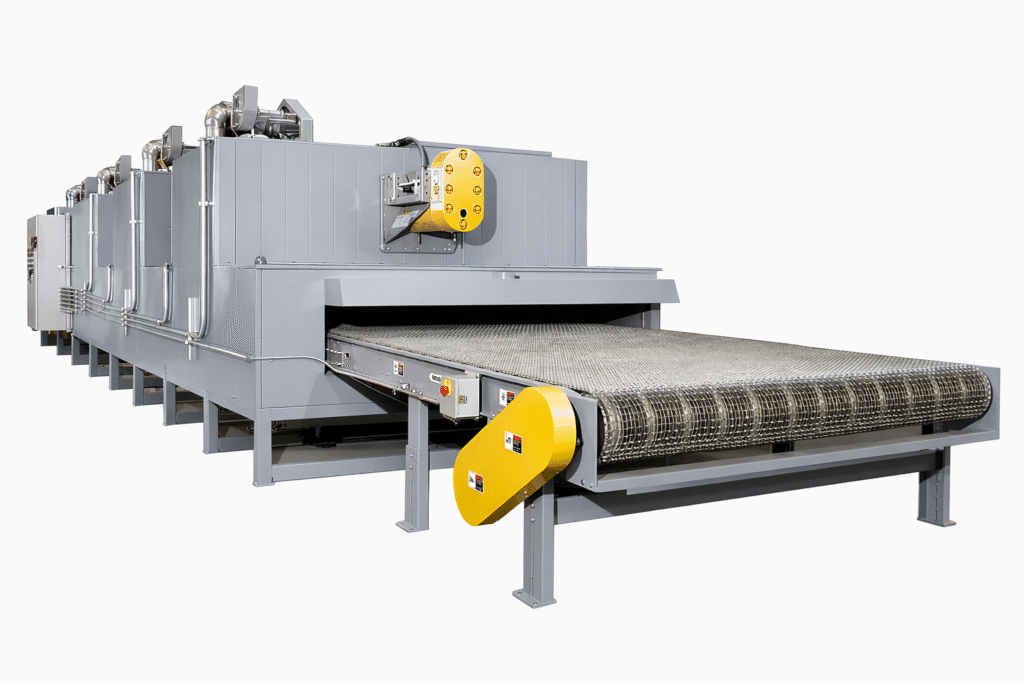
A strong choice for continuous powder coating lines with predictable takt time, integrated conveying, and higher daily throughput requirements.
Best for:Continuous powder coating lines, stable takt time, and higher daily throughput.
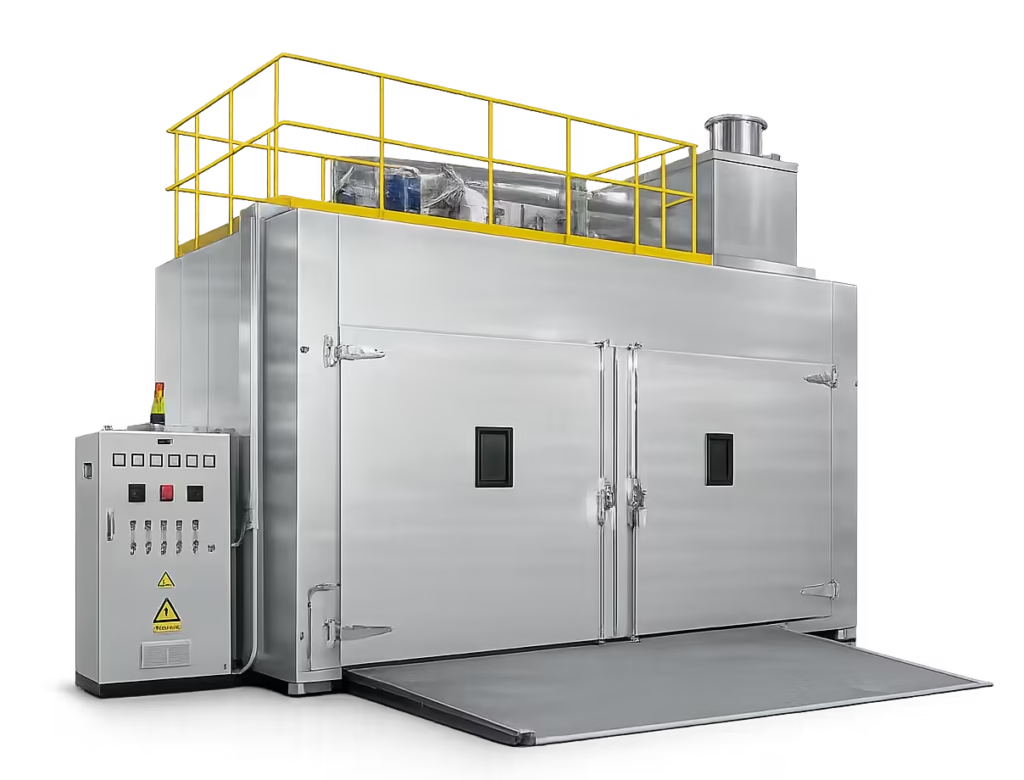
Designed for larger powder-coated parts and assemblies that require easy loading access, floor-based handling, and a spacious curing chamber.
Best for:Large powder-coated parts, racks, frames, cabinets, and floor-loaded batch curing.
Built for oversized or heavy fabricated parts that need broader airflow coverage, larger chambers, and more robust handling support during curing.
Best for:Oversized powder-coated assemblies, heavy fabrications, carts, fixtures, and large batch loads.
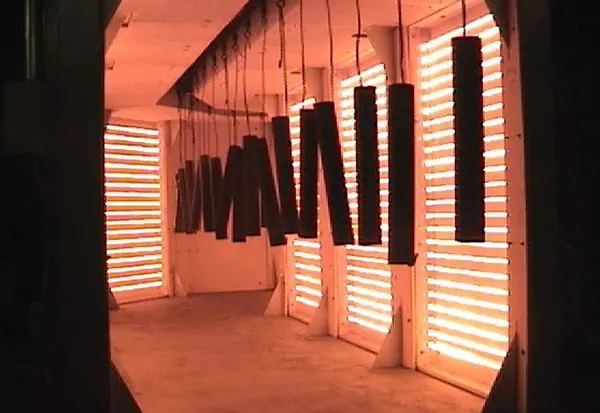
Useful when faster thermal response, shorter heating stages, or hybrid heating strategies are needed for certain powder coating processes.
Best for:Fast-response powder coating lines, shorter heating stages, and process-specific curing layouts.
Support Before RFQ
Process Validation and Engineering Support
Powder coating results are shaped by cure schedule, substrate mass, line rhythm, airflow pattern, and loading density. ZonHoo supports manufacturers with practical engineering input so the selected oven direction matches real production conditions instead of only nominal temperature targets.
- Cure-window review based on part type and coating process
- Airflow and chamber direction matched to load pattern
- Batch or conveyor layout alignment for production flow
- Electric or gas heating direction based on plant conditions
- Control options for recipes, alarms, and operator consistency
- RFQ-stage technical clarification and documentation support
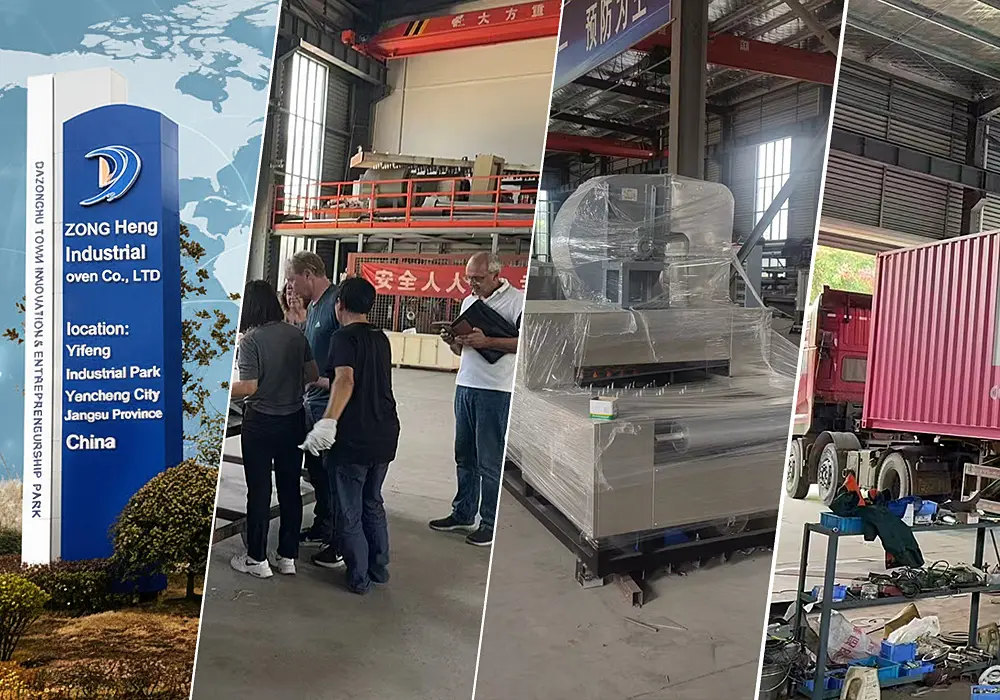
Test Your Process on Available Equipment
Frequently Asked Questions
Frequently Asked Questions About Powder Coating
What temperature is commonly used for powder coating cure?
Actual curing temperature depends on the powder chemistry, part mass, and supplier cure schedule. Many powder coating processes operate within a common industrial curing range, but the real metal temperature and hold time are what matter most for proper cure.
How do I choose between a batch oven and a conveyor oven for powder coating?
Batch ovens are usually better for flexible production, mixed SKUs, and lower-to-medium throughput. Conveyor ovens are better when the line rhythm is stable, product flow is continuous, and repeatable dwell time is required.
Why do heavy fabricated parts cure differently from light sheet-metal parts?
Heavier parts absorb and retain heat differently, so they often need different heating response, dwell planning, and airflow consideration. The correct oven direction should be matched to real substrate mass, not only chamber setpoint.
Can one powder coating oven handle multiple product sizes and coating programs?
Yes, if the oven is designed with enough loading flexibility, airflow stability, and control capability. Manufacturers often need recipe options and loading rules to maintain consistent results across different parts.
What should be considered for large powder-coated assemblies?
Large parts usually require attention to chamber size, loading method, airflow reach, door access, thermal mass, and recovery after door opening. In these cases, walk-in or large-format powder coating oven directions are often more suitable.
Tell Us About Your Powder Coating Process
To recommend a suitable oven direction, we need to understand your powder coating workflow, part size, substrate mass, throughput target, and plant conditions. Share your process details below so ZonHoo can help you evaluate the right powder coating oven solution for your production line.
What to Prepare
Part type, substrate material, target cure temperature, dwell time, throughput, loading method, and coating-quality requirements.
What We Can Discuss
Oven direction, chamber size, airflow concept, curing window, throughput targets, and control options for your powder coating process.